

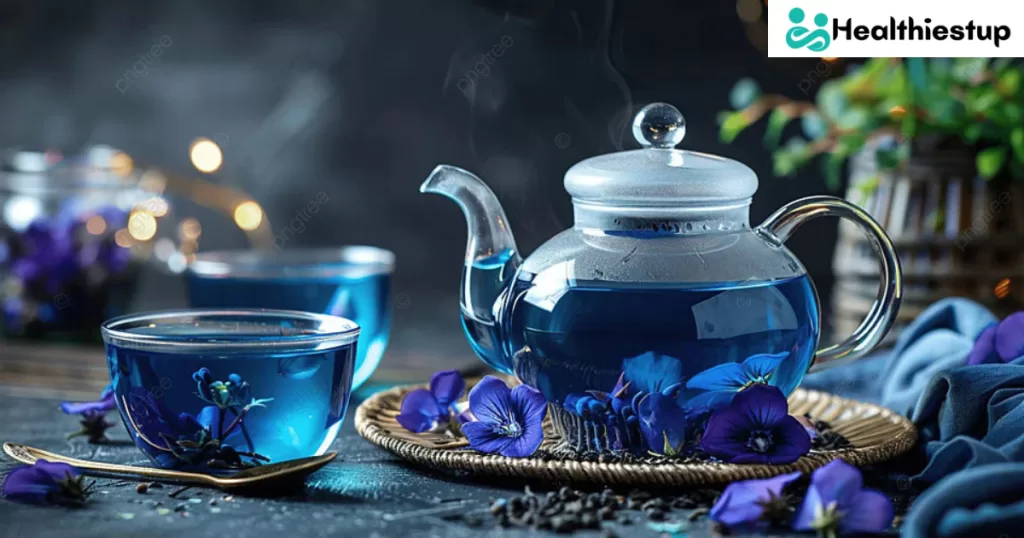
Introduction: What Is Blue Tea?
Blue tea, often referred to as butterfly pea flower tea, is a vibrant, naturally blue-colored herbal tea made from the petals of the Clitoria ternatea plant. Unlike your typical cup of green or black tea, blue colored herbal tea isn’t derived from the Camellia sinensis plant but rather from a Southeast Asian native flower known for its striking hue and holistic properties.
The magical thing about blue tea? It changes color based on the pH level add a splash of lemon juice, and it turns a beautiful violet or purple. But its appeal isn’t just aesthetic. Behind that enchanting color lies a powerhouse of health benefits that are quickly making it a must-have morning drink.
The Origin of Blue Tea
The butterfly pea flower has been used in Ayurvedic and traditional Chinese medicine for centuries. Originating primarily in Thailand, Vietnam, and Malaysia, blue tea was traditionally consumed for its cooling and calming properties. It’s now capturing the attention of health enthusiasts and nutritionists worldwide for its rich antioxidant profile.
The Science Behind Its Unique Color
The brilliant blue comes from a group of antioxidant compounds called anthocyanins more specifically, ternatins. These are responsible for the flower’s vivid pigment and are potent free-radical fighters. The fascinating part is that these pigments are pH-sensitive, meaning they can shift colors depending on what you mix with them a natural indicator and a fun twist to your wellness drink.
Nutritional Profile of Blue Tea
The health benefits of butterfly pea flower tea stem directly from its powerful nutritional content. Though it’s an herbal tea and contains no caffeine, it’s rich in plant-based compounds that deliver numerous therapeutic effects.
Key Vitamins and Antioxidants
Blue tea boasts:
-
Anthocyanins: These antioxidants help fight free radicals, reducing oxidative stress in the body.
-
Flavonoids: Vital for heart health and anti-inflammatory action.
-
Catechins: Known to enhance metabolism and support fat burning.
-
Vitamin A & E: Promote eye health and skin rejuvenation.
How Blue Tea Compares to Green and Black Tea
| Feature | Blue Tea | Green Tea | Black Tea |
|---|---|---|---|
| Caffeine | 0 mg | ~30 mg | ~40-50 mg |
| Primary Benefit | Antioxidants, memory, anti-aging | Metabolism, weight loss | Energy, heart health |
| Taste Profile | Earthy, floral | Bitter, grassy | Bold, astringent |
| Color | Blue (turns purple with lemon) | Pale green | Dark brown/black |
The absence of caffeine makes butterfly pea flower tea perfect for people looking to start their day with calm clarity rather than a jittery buzz. Plus, its antioxidant content rivals that of green tea without the bitter aftertaste.
Why Starting Your Day with Blue Tea Is a Game-Changer
Imagine beginning your morning with a calming, beautiful blue beverage that not only looks good but does wonders for your health. Butterfly pea flower tea is quickly becoming the go-to alternative for coffee and traditional tea lovers alike.
Energy Boost Without Caffeine Jitters
We all know the rollercoaster that caffeine can bring high energy followed by a crash. Butterfly pea flower tea offers a more stable start to your day. While it doesn’t contain caffeine, the antioxidants and phytonutrients help awaken your senses naturally. It promotes mental clarity, making you feel refreshed and ready to take on the day without overstimulating your nervous system.
Enhances Morning Metabolism
Drinking butterfly pea flower tea on an empty stomach can help kickstart your metabolism. Thanks to compounds like catechins and flavonoids, blue tea can enhance fat oxidation and promote calorie burning throughout the day. It’s a subtle boost, not a miracle cure, but over time, it supports weight management and digestive balance.
Incorporating it into your morning routine can replace high-sugar energy drinks or caffeine-heavy beverages. You not only avoid the crash but start the day nourishing your body with something clean, natural, and effective.
Top 10 Health Benefits of Blue Tea
Let’s dive into the specific health perks that make blue tea a must-have in your daily wellness arsenal.
1. Antioxidant Powerhouse
The butterfly pea flower is loaded with anthocyanins, which neutralize harmful free radicals that contribute to aging and chronic disease. Think of it as a shield against daily oxidative stress—helping your cells stay youthful and vibrant.
2. Reduces Stress and Anxiety
The tea has natural anxiolytic properties. Drinking a warm cup in the morning or evening can calm the nervous system, reduce anxiety levels, and support better mood balance.
3. Promotes Healthy Skin and Hair
Rich in flavonoids and antioxidants, blue tea helps improve blood circulation in the scalp and skin. This promotes collagen production and fights premature signs of aging, leading to a glowing complexion and stronger hair follicles.
4. Supports Digestion and Gut Health
The tea’s alkaline nature helps regulate stomach acidity and can ease bloating, indigestion, and constipation. It also promotes good gut bacteria growth, which supports overall digestion.
5. Improves Vision
The proanthocyanidins in butterfly pea tea help increase blood flow to the eyes, improving vision and reducing the risk of eye diseases such as glaucoma or cataracts.
6. Enhances Memory and Brain Function
One of the lesser-known but highly valuable benefits of butterfly pea flower tea is its nootropic effects. It contains acetylcholine, a chemical known to enhance brain function. Regular consumption can help improve memory, concentration, and cognitive clarity. That’s why blue tea is especially favored by students, professionals, and anyone needing a mental edge during the day.
7. Regulates Blood Sugar Levels
Blue tea can assist in balancing blood sugar levels naturally. Thanks to its antioxidant-rich profile, it supports pancreatic function and insulin sensitivity. Diabetics and pre-diabetics have found it beneficial in managing glucose levels when consumed consistently as part of a healthy diet.
8. Anti-inflammatory and Detox Effects
Blue tea works wonders in reducing inflammation. Whether it’s joint pain, internal inflammation, or bloating, the compounds in this tea—like flavonoids and tannins—can provide relief. It also acts as a natural diuretic, promoting kidney health and flushing out toxins from the body, making it an excellent detox drink.
9. Weight Management Support
Trying to lose weight or maintain a healthy BMI? Blue tea could be your new best friend. It helps suppress appetite, curb cravings, and supports fat metabolism. It’s not a magical weight loss solution, but when used with a balanced diet and exercise, it offers noticeable support in reaching weight goals.
10. Heart Health Booster
Thanks to its anti-inflammatory, anti-glycation, and antioxidant properties, blue tea can contribute to better heart health. It helps reduce LDL cholesterol levels, improve blood circulation, and lower the risk of artery plaque build-up, reducing the chances of cardiovascular issues over time.
Blue Tea vs. Green Tea: Which One Wins the Morning Battle?
Both blue tea and green tea are titans in the world of healthy beverages. But when it comes to starting your day, which one takes the crown?
Green Tea Pros:
-
Contains caffeine for a light energy kick.
-
Boosts metabolism.
-
Rich in EGCG (epigallocatechin gallate), a powerful antioxidant.
Blue Tea Pros:
-
Zero caffeine, so no crash or dependency.
-
Rich in anthocyanins and flavonoids.
-
Naturally calming and detoxifying.
-
Easier on the stomach, especially in the morning.
If you’re looking for a gentle, soothing start to your day that still supports energy, focus, and overall wellness—blue tea wins. But for those who need that caffeine nudge, green tea might still hold a place in your routine.
Best Times to Drink Blue Tea for Maximum Benefits
Timing matters when it comes to maximizing butterfly pea flower tea’s benefits.
Morning Rituals
Drinking blue tea first thing in the morning on an empty stomach can stimulate your metabolism and help flush toxins. It’s hydrating, soothing, and sets a calming tone for the day. If you’re someone who feels acidic or bloated in the morning, butterfly pea flower tea can offer gentle relief.
Midday Pick-Me-Up
Around 2-3 PM, when energy levels dip, reach for a cup of blue tea instead of a sugary snack or coffee. It will help you regain focus without the post-caffeine slump.
Evening Relaxation
Blue tea also makes for a great nighttime beverage. Its calming properties can help you wind down and even prepare your mind for restful sleep. Pair it with a book or journal session for the ultimate relaxation ritual.
How to Brew the Perfect Cup of Blue Tea
You don’t need to be a tea connoisseur to make blue tea right. It’s incredibly simple and versatile.
Step-by-Step Brewing Guide
-
Boil water: Heat around 200-250ml of water until it reaches a near-boil (90–95°C).
-
Add petals or tea bags: Use 5–7 dried butterfly pea flowers or 1 tea bag.
-
Steep: Let it steep for 5–8 minutes. The water will turn a vivid blue.
-
Strain and serve: Remove the petals or bag, and your blue tea is ready.
-
Add lemon or honey (optional): Lemon adds flavor and turns the color purple; honey gives natural sweetness.
Tips for Enhancing the Flavor Naturally
-
Add herbs: Mint, lemongrass, or ginger for a refreshing twist.
-
Chill it: Make iced blue tea for summer.
-
Blend it: With coconut milk or almond milk for a blue tea latte.
Blue tea is one of the most customizable drinks—you can tweak its taste, color, and texture according to your mood or health needs.
Delicious Blue Tea Variations You Must Try
Want to take your blue tea experience to the next level? Try these creative, health-boosting versions.
|Also Read: Water Apple: Amazing Health Benefits, Nutrition & Uses
Blue Tea with Lemon
This is the most popular version. Adding lemon not only changes the tea’s color to a purple hue but also boosts its vitamin C content and enhances detoxification.
Blue Tea Latte
For a creamy, rich treat:
-
Brew strong blue tea.
-
Mix with steamed almond or oat milk.
-
Add a drop of vanilla or a pinch of cinnamon.
-
Sweeten with honey or maple syrup.
Perfect for cozy mornings or even as a post-dinner dessert drink.
Iced Butterfly Pea Tea
Great for hot days. Brew blue tea, let it cool, and pour over ice. Garnish with lemon slices or mint leaves. You can even infuse it with fruits like pineapple or berries for a tropical twist.
Is Blue Tea Safe for Everyone?
While blue tea is a natural and generally safe beverage for most people, it’s still important to understand who should be cautious and the potential side effects, especially when consumed regularly.
Potential Side Effects
Blue tea, when taken in moderate amounts, rarely causes adverse effects. However, here are a few things to consider:
-
Overconsumption may lead to mild nausea or stomach discomfort.
-
It has mild diuretic properties, so excessive intake might cause dehydration if you’re not drinking enough water.
-
Some users may experience slight dizziness if consumed in large quantities on an empty stomach.
-
Due to its mild effects on blood sugar levels, it may interact with diabetes medications, so always consult your healthcare provider if you’re on medication.
Who Should Avoid It?
-
Pregnant or breastfeeding women should consult their doctor before consuming blue tea regularly, as its effects in these groups are not thoroughly studied.
-
Individuals on blood thinners or diabetic medications should also be cautious.
-
If you have chronic low blood pressure, butterfly pea flower tea may exacerbate the issue slightly due to its natural vasodilating properties.
In general, moderation is key. A cup or two a day is more than enough to enjoy its benefits without any unwanted side effects.
Where to Buy the Best Quality Blue Tea
To truly enjoy butterfly pea flower tea’s benefits, sourcing high-quality, organically grown butterfly pea flowers is essential.
Trusted Brands
Here are a few popular and reliable brands that offer authentic blue tea:
-
Tea Trunk – Known for organic, pesticide-free products.
-
The Blue Tea Co. – Offers pure and blended varieties.
-
Buddha Teas – Great for their sustainable packaging and ethically sourced ingredients.
-
VAHDAM India – A reputable tea exporter with lab-tested blends.
Online vs. Offline Buying Tips
-
Online platforms like Amazon, iHerb, or brand-specific websites offer wider selections, reviews, and discounts.
-
Ensure the product is 100% butterfly pea flower with no additives.
-
Look for certified organic and non-GMO labels.
-
In local stores, check for freshness, color vibrancy, and smell. The petals should be bright and aromatic.
Whether you buy online or offline, ensure the brand maintains proper harvesting, drying, and packaging standards for the best results.
Sustainability and Environmental Impact of Blue Tea Farming
Sustainability is an increasingly important factor in our daily choices, and butterfly pea flower tea checks the right boxes here as well.
-
The butterfly pea plant is a naturally hardy and pest-resistant crop, which means it requires fewer chemicals and pesticides.
-
It grows well in tropical climates with minimal water use compared to traditional crops.
-
Many producers follow fair-trade and organic farming practices, supporting local farmers and communities in Southeast Asia.
By choosing certified organic and fair-trade brands, consumers not only support their health but also contribute to a greener, more ethical global supply chain.
Integrating Blue Tea Into Your Daily Wellness Routine
Adding butterfly pea flower tea to your routine isn’t just about replacing your morning coffee it’s about creating a holistic lifestyle shift toward better health.
Here’s how to make it a habit:
-
Start small – Try it 3 days a week in the morning.
-
Pair it with rituals – Morning journaling, meditation, or a skincare routine.
-
Experiment – Try different flavors, blends, or even smoothies.
-
Meal companion – Sip it alongside breakfast or lunch to aid digestion.
-
Wind down – A calming cup in the evening can enhance your sleep quality.
Consistency is key. Within a few weeks, you’ll likely notice better digestion, reduced stress, and clearer skin just from one simple habit change.
Final Thoughts: Why Blue Tea Deserves a Spot in Your Morning Cup
This tea is more than just a trendy Instagram-worthy beverage. It’s a powerhouse of antioxidants, a stress-buster, a skin-enhancer, and a digestion aid all in one vibrant cup. With no caffeine, it offers a gentler, cleaner start to the day that benefits your body and mind. Plus, its versatility means you’ll never get bored.
If you’re looking for a refreshing, natural, and effective way to kick off your morning routine, Tea might just be your new best friend.
FAQs
Q1. Can I drink blue tea every day?
Yes, drinking 1–2 cups of blue tea daily is considered safe and beneficial for most people.
Q2. Does blue tea help with weight loss?
While not a magic bullet, blue tea can support weight loss through improved metabolism and appetite control when combined with a healthy lifestyle.
Q3. Is it safe to drink blue tea during pregnancy?
Pregnant women should consult their healthcare provider before adding blue tea to their diet due to limited research.
Q4. Can I drink butterfly pea flower tea on an empty stomach?
Absolutely! Drinking it in the morning on an empty stomach is a great way to stimulate digestion and detoxify.
Q5. Does blue tea contain caffeine?
No, butterfly pea flower tea is 100% caffeine-free, making it ideal for those who are sensitive to stimulants or want to reduce caffeine intake.

