Introduction
Why are whole foods better than processed foods?
Eating Whole Foods: Processed foods may be convenient, but convenience often comes at the cost of nutrition. Whole foods, on the other hand, provide your body with the essential building blocks it needs to thrive. They’re nutrient-dense, naturally balanced, and free from unnecessary additives. Over time, choosing whole foods supports better energy, stronger immunity, and protection against chronic disease.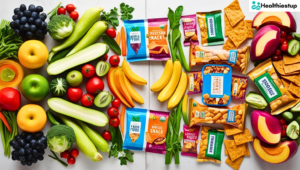
What Are Whole Foods?

Whole foods are foods that remain close to their natural state, retaining their original nutrients. They are minimally processed and free from artificial chemicals. Examples include:
- Fresh fruits and vegetables – rich in antioxidants, vitamins, and minerals that protect against disease.
- Whole grains – oats, quinoa, brown rice, and barley provide complex carbohydrates and fiber for sustained energy.
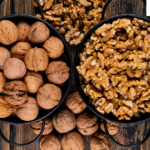
- Nuts and seeds – excellent sources of healthy fats, protein, and micronutrients like magnesium and zinc.
- Legumes – beans, lentils, and chickpeas deliver plant-based protein and fiber for digestive health.
- Fish and lean meats – supply high-quality protein and omega-3 fatty acids for brain and heart health.
- Natural dairy products – milk, cheese, and yogurt offer calcium, probiotics, and protein without added sugars.
Understanding Processed Foods

Processed foods undergo mechanical or chemical changes to improve taste, shelf life, or convenience. These changes often strip away nutrients and add harmful ingredients. Examples include:
- Packaged snacks – chips, cookies, and candy are calorie-dense but nutrient-poor.
- Instant meals – noodles and frozen dinners are often high in sodium and preservatives.
- Sugary cereals – fortified but loaded with added sugars that spike blood glucose.
- Processed meats – sausages, deli meats, and hot dogs contain nitrates and unhealthy fats.
- Soft drinks and flavored beverages – high in sugar or artificial sweeteners, contributing to obesity and metabolic issues.
Nutritional Disparities Between Processed and Whole Foods
Whole Foods:
- Contain natural vitamins, minerals, and antioxidants.
- Provide dietary fiber that supports digestion and satiety.
- Include healthy fats (omega-3s, monounsaturated fats) that protect heart health.
- Free from artificial preservatives, colors, and flavorings.
Processed Foods:
- High in refined carbohydrates that cause blood sugar spikes.
- Often loaded with trans fats and excess sodium.
- Stripped of natural nutrients during refining.
- Contain additives that may disrupt metabolism or gut health.
Health Benefits of Whole Foods
- Digestive Health:Fiber in whole grains, fruits, and vegetables promotes regularity and supports beneficial gut bacteria.
- Heart Protection: Whole foods reduce LDL cholesterol, improve blood vessel function, and lower blood pressure.
- Sustained Energy: Complex carbs release energy slowly, preventing fatigue and sugar crashes.
- Immune Support: Nutrient-rich foods strengthen the body’s defense system, reducing illness risk.
- Weight Management: Whole foods are naturally filling, helping control appetite and prevent overeating.
Risks of Processed Foods
- Chronic Illness: Diets high in processed foods are linked to obesity, type 2 diabetes, and cardiovascular disease.
- Chemical Exposure: Preservatives, flavor enhancers, and artificial colors may negatively affect long-term health.
- Mental Health Impact: Studies suggest processed foods may contribute to depression, anxiety, and cognitive decline.
- Addictive Nature: High sugar and fat content can trigger cravings, leading to unhealthy eating patterns.
Tips for Transitioning to Whole Foods
- Read Labels: Choose products with short, recognizable ingredient lists.
- Cook at Home: Control ingredients and portion sizes while experimenting with healthy recipes.
- Fill Half Your Plate with Produce: Prioritize fruits and vegetables at every meal.
- Choose Whole Grains: Replace white bread, pasta, and rice with whole-grain alternatives.
- Limit Sugar and Salt: Cut back on sodas, packaged snacks, and overly salty foods.
- Plan Ahead: Meal prep with whole ingredients to avoid relying on processed convenience foods.
Common Myths
- Myth 1: Whole Foods Are Too Expensive
Buying seasonal produce, shopping at local markets, and reducing processed food purchases can make whole foods affordable. - Myth 2: Whole Foods Take Too Long to Prepare
Quick options like salads, smoothies, and stir-fries prove whole foods can be fast and easy. - Myth 3: Processed Foods Are Necessary for Nutrients
Whole foods naturally provide all essential nutrients without chemical fortification.
Conclusion
Whole foods are the foundation of a healthy lifestyle. They deliver essential nutrients, protect against disease, and support long-term wellness. While processed foods may be convenient, their risks outweigh their benefits. By making gradual changes like swapping refined grains for whole grains or adding more fresh produce you can enjoy better health, more energy, and a higher quality of life.
FAQs
1. How simple is it to begin eating whole foods?
Start small replace one processed snack with fruit or nuts, and build from there.
2. Is it okay to consume processed foods occasionally?
Yes, moderation is key. Occasional indulgence is fine, but whole foods should dominate your diet.
3. How might eating whole foods aid in controlling weight?
Fiber-rich foods keep you full longer, reducing calorie intake and preventing overeating.
4. What quick whole-food meal ideas are there?
Examples include oatmeal with berries, grilled salmon with quinoa, or a green smoothie with spinach, banana, and chia seeds.
5. How can I enhance the flavor of whole foods?
Use herbs, spices, citrus, and healthy cooking methods like roasting or steaming to bring out natural flavors.